What is a comprehensive plan?
A comprehensive plan is a living, forward-looking policy document that establishes a municipality’s land use policy and guides land use regulations, development, and community investment. Comprehensive plans are updated every 10 to 15 years and provide an opportunity to engage the public, reflect on what has changed, assess current conditions and future trends, and establish a clear, community-supported vision for the municipality’s future. Based on robust public input and data collection and analysis, a comprehensive plan establishes policy focus areas, goals, and short- and long-term strategies for achieving the municipality’s vision. While zoning regulations are the primary mechanism for implementing a comprehensive plan, the plan will also propose capital projects, capacity-building strategies, policies, and programs.
Why does Mechanicville need a comprehensive plan update?
The last update to Mechanicville’s Comprehensive Plan was in 2000, over 20 years ago. Communities are dynamic and always changing. By updating its comprehensive plan, Mechanicville ensures that its land use regulations are responsive to current local needs, emerging trends, and community aspirations.
Importantly, a comprehensive plan is the legal foundation for all local zoning laws, and state statutes require that zoning regulations be adopted in accordance with a comprehensive plan. The comprehensive planning process allows the City and its community to assess what has changed and where they want to be in the next 10 to 15 years — replacing reactive decision-making with a clear, proactive plan for implementing positive change aligned with community goals, priorities, and needs. Importantly, a current comprehensive plan provides the necessary legal framework to ensure future development aligns with the City's long-term goals and the community’s vision for the future.
What are the NYS DOS “Smart Growth” principles and why do they matter here?
The New York State Department of State (NYS DOS) defines Smart Growth as a forward-thinking approach to planning that integrates four core themes of equity, economy, environment, and energy or climate to create more liveable, sustainable, and resilient communities. Rather than allowing for sprawling, auto-dependent development, Smart Growth principles encourage planning that makes efficient use of existing infrastructure, land, and public resources.
These 10 principles matter because they provide a framework for growth that enhances quality of life while reducing municipal costs. By focusing development in existing centers and prioritizing efficient infrastructure use, communities can significantly save on the costs of delivering public services and maintaining roads and water and sewer lines.
SMART GROWTH PRINCIPLES
Allow for and encourage neighborhoods with a mix of uses, such as residential, commercial and community spaces.
Enable a diverse mix of housing types, providing opportunity and choice for people of all ages, abilities and incomes.
Prioritize infill and redevelopment of existing buildings to revitalize neighborhoods and downtowns, including areas around public transit.
Provide well-planned, equitable, and accessible public spaces for people of all ages and abilities.
Encourage compact neighborhood design and concentrated development around existing infrastructure.
Preserve open space, agricultural resources and natural resources.
Prioritize transportation options that are safe and accessible for everyone, including pedestrians, cyclists and public transit users.
Promote climate resiliency and adaptation, preferably through nature-based solutions, and reduce greenhouse gas emissions.
Build on unique traits to create an attractive and welcoming community with a strong sense of place.
Engage in an inclusive, collaborative public planning process that considers the needs and character of the community.
For a city like Mechanicville, integrating the “Smart Growth” principles into an updated comprehensive plan is crucial for long-term vitality. It allows the City to grow in a way that avoids the high infrastructure and service costs associated with sprawl, attracts and retains residents and businesses by creating a vibrant downtown, and ensures that land-use decisions are resilient and aligned with the community’s specific goals.
Ultimately, applying these principles transforms the comprehensive plan from a static document into a strategic tool for creating a more prosperous, equitable, and sustainable future.
Who is responsible for creating the city of Mechanicville Comprehensive Plan?
Committee members (guide the development of the Plan)
The public (shape the Plan’s vision and goals)
City Council (responsible for adopting the Plan)
NYS DOS (offer guidance and recommendations)
Comprehensive Plan Committee (CPC)
A local Committee will guide the planning process, providing insights into past, present, and future opportunities for Mechanicville. Members of the Committee are as follows:
Michael Butler, Mayor, Committee Chair
Mary Lou Kling, Committee Administrative Manager
Jennifer Dunn, Saratoga Bridges
Pat Culligan, The Conners Agency
John Enzien, Mechanicville Housing Authority
Andy Swedick, Mechanicville Planning and Zoning Board
Don Dieckmann, Mechanicville City School District
Matt Carmichael, City of Mechanicville
Sally Harrick, Mechanicville / Stillwater Industrial Development Agency
Kimberly Dunn, Community Member
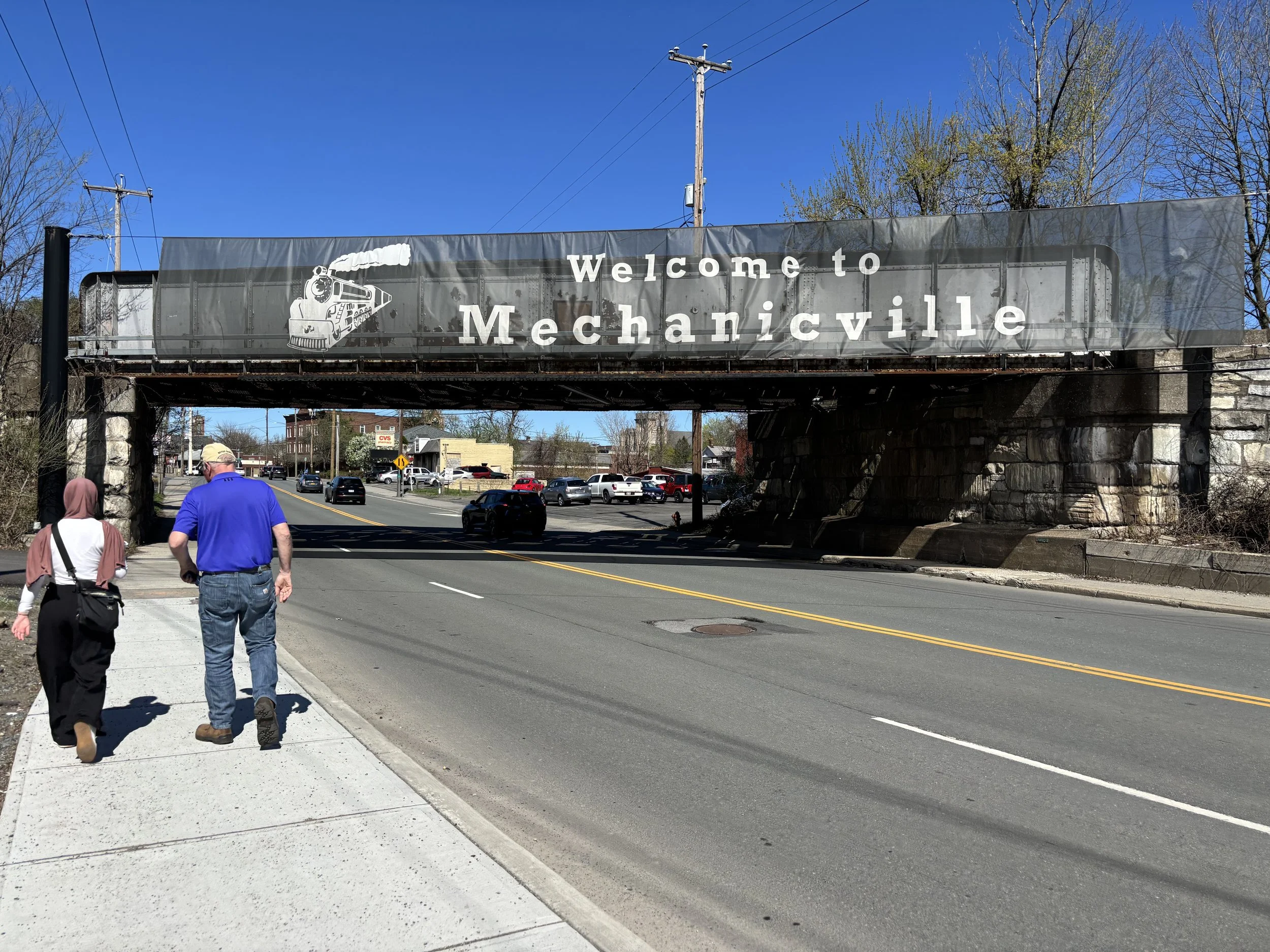
“Smallest city, biggest opportunity.”
- City staff member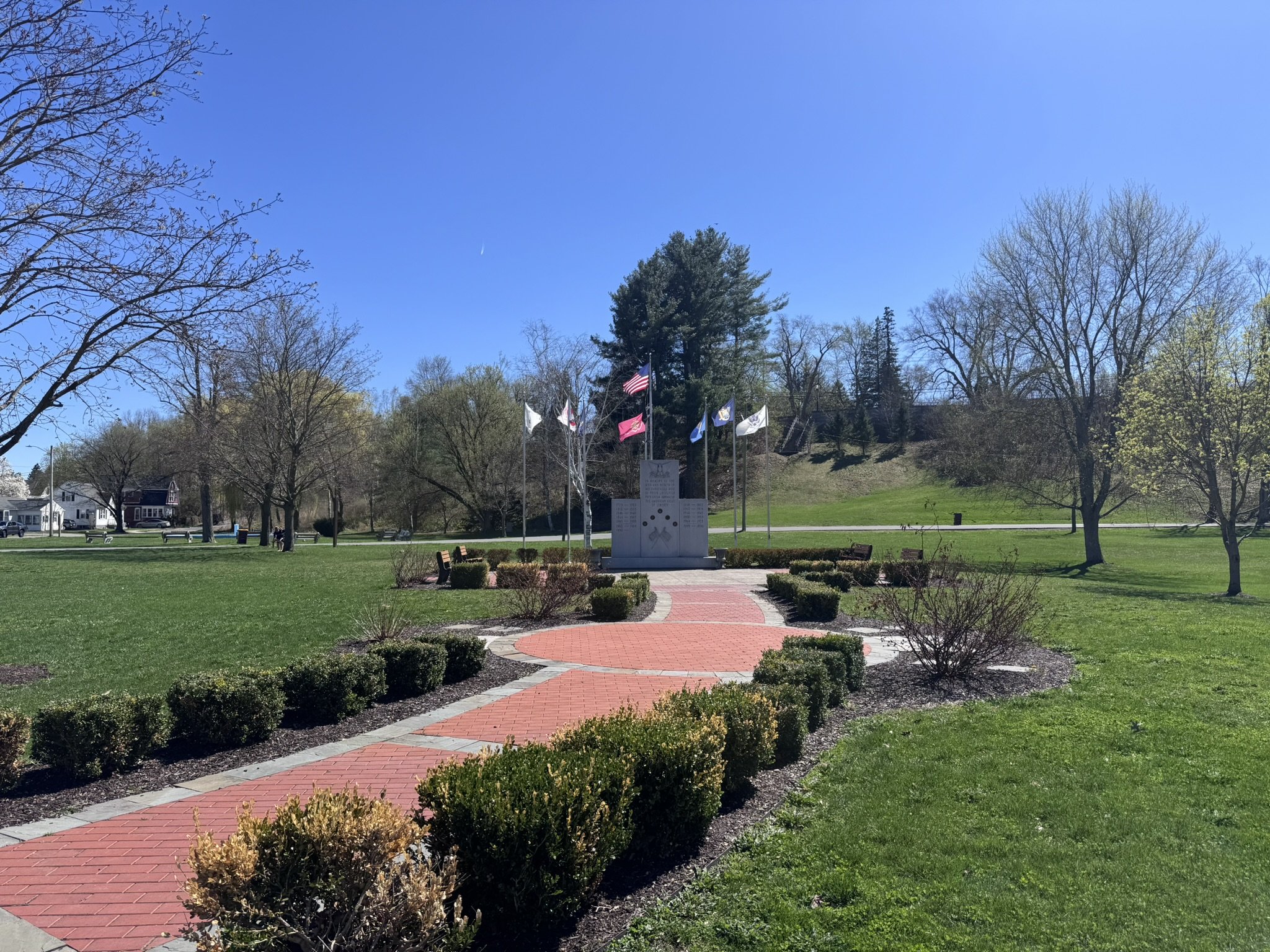
The Framework
Engagement is not a single event; it is the core of this planning process.
Regular Meetings: The Comprehensive Plan Committee (CPC) will meet every other month to provide oversight and local expertise. All CPC meetings are open to the public.
Continuous Feedback: Public engagement is integrated into every phase of Plan development to ensure the final document reflects the community's authentic voice.
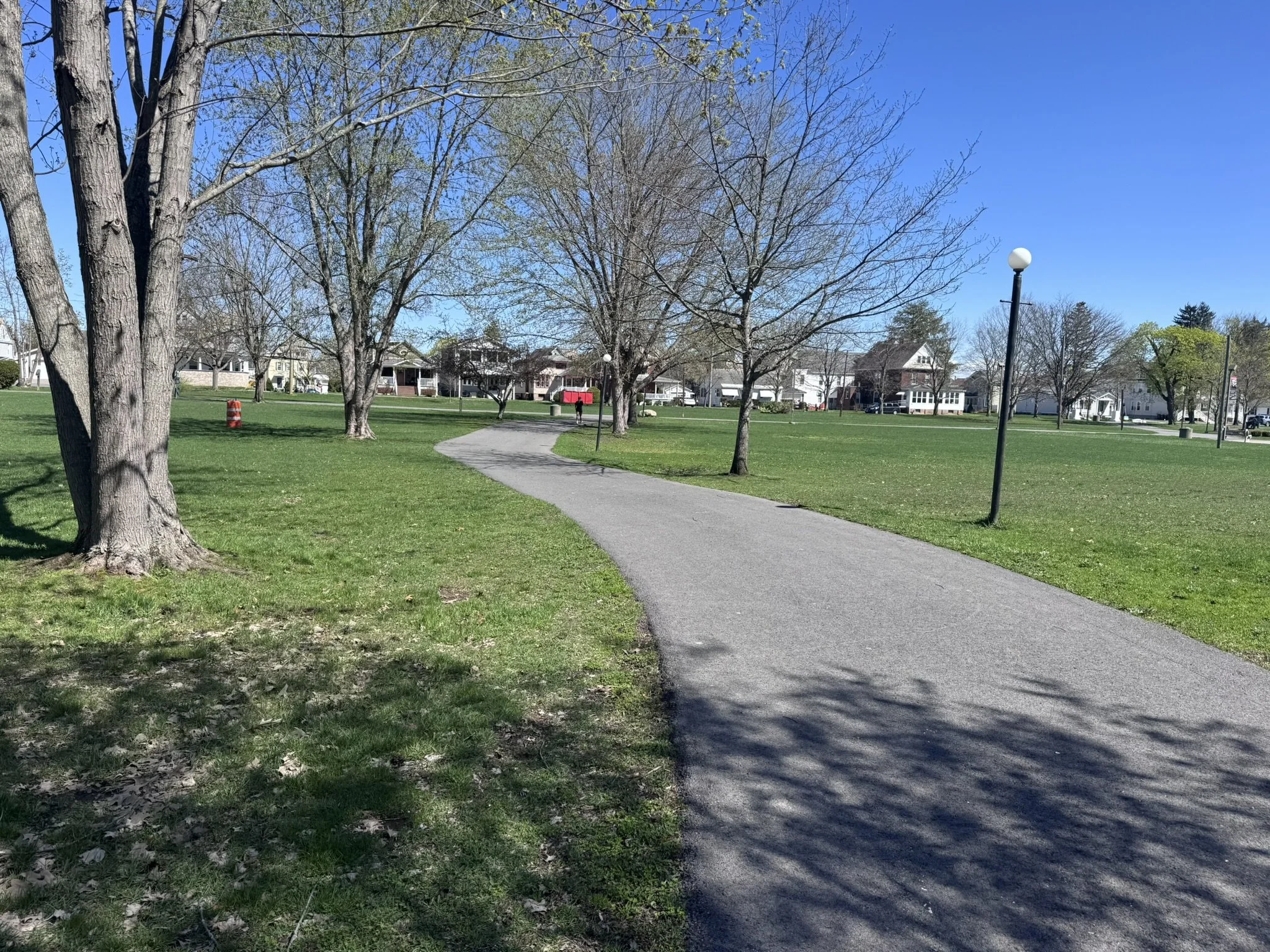
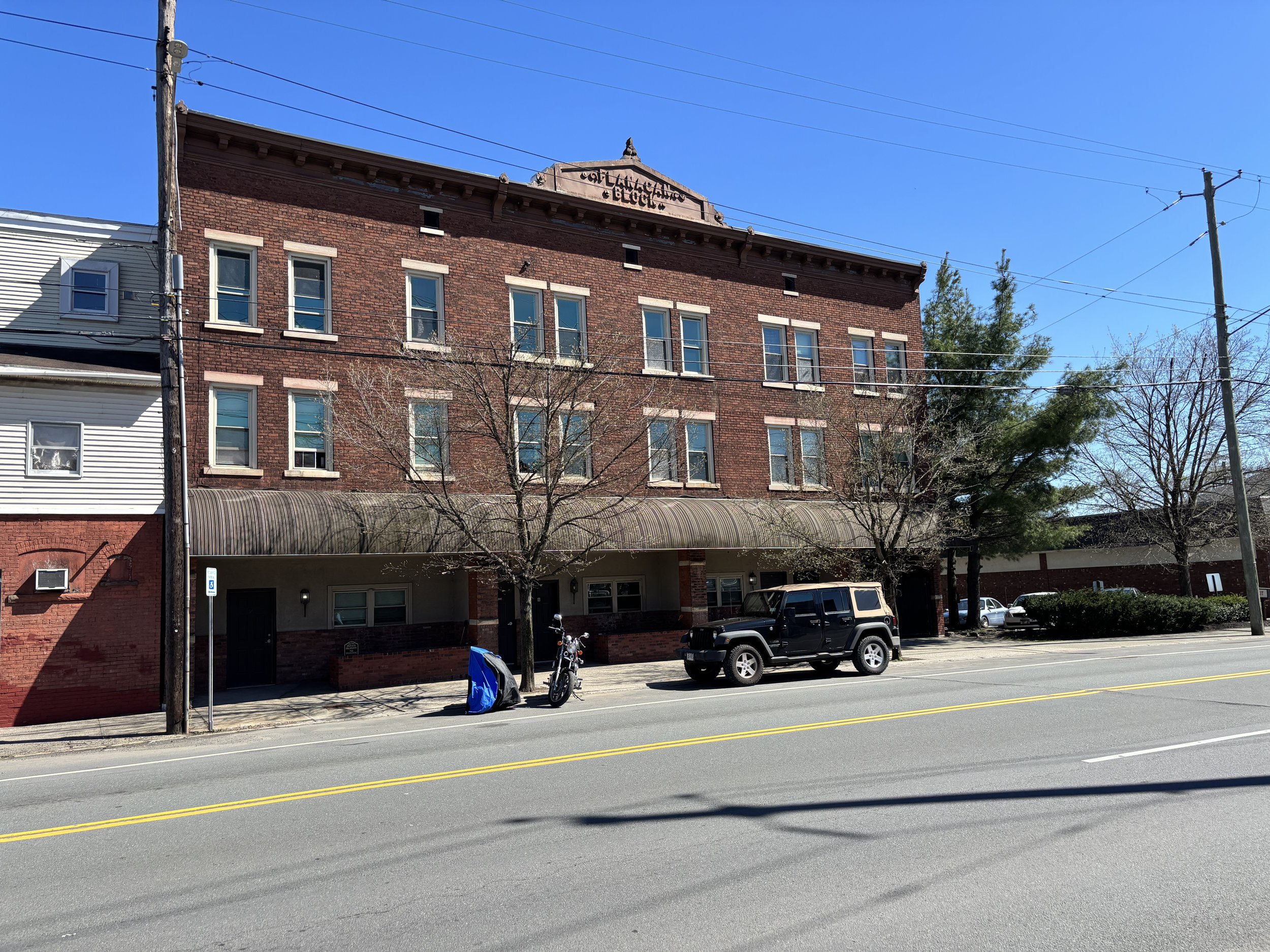
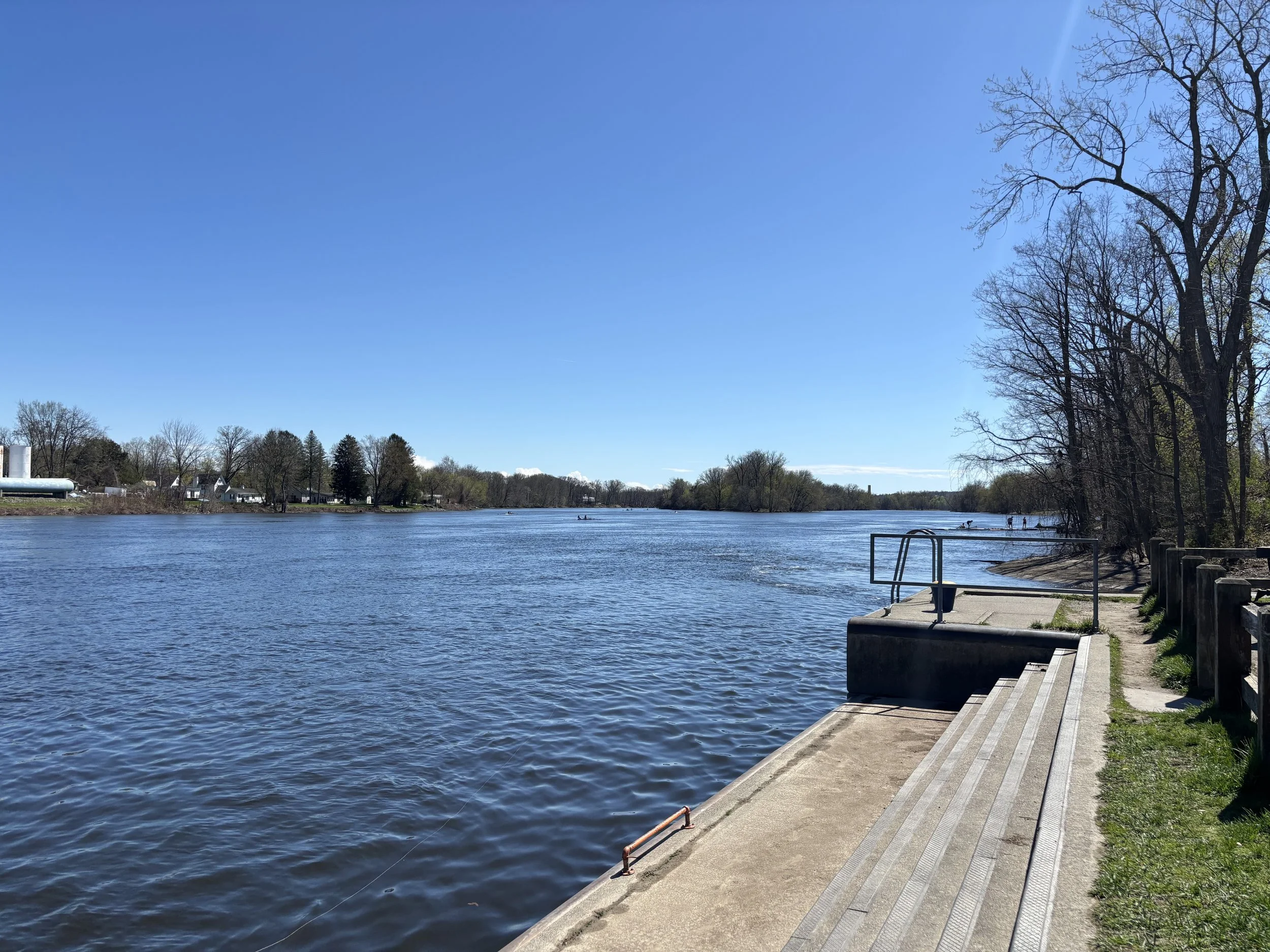
Check the “Get Involved” page for more details about public input opportunities.
-
The process begins with an assessment of Mechanicville’s current status. This phase includes the development of a detailed Community Profile analyzing past and present conditions and future trends related to demographics, land use, and economic development, public services and infrastructure, and parks and open space.
The Role of Public Engagement: Initial public input sessions will identify key assets, pressing issues, and future opportunities.
-
Building on the Discovery phase, a cohesive, community-driven Vision Statement will be developed. This phase also translates aspirations into tangible policy focus areas and high-level goals.
The Role of Public Engagement: Feedback from the public, City staff, and the Comprehensive Plan Committee will directly shape the goals that serve as the Plan's foundation.
-
During this phase, goals are paired with actionable strategies, including specific policies, programs, and capital projects. Each proposed strategy will incorporate Smart Growth principles.
The Role of Public Engagement: Public input will inform the identification and development of proposed strategies.
-
All research, public input, and policy work will be synthesized into a Draft Smart Growth Comprehensive Plan. This document will serve as the primary guide for the City’s development over the next decade.
The Role of Public Engagement: The public will be invited to review and comment on the draft Plan prior to the adoption process.
-
The final phase involves environmental review and regulatory compliance, including the State Environmental Quality Review (SEQR), County Referral Review, and City adoption.
Final Milestone: Formal adoption of the Smart Growth Comprehensive Plan by the City Council.
Proposed Plan Schedule:
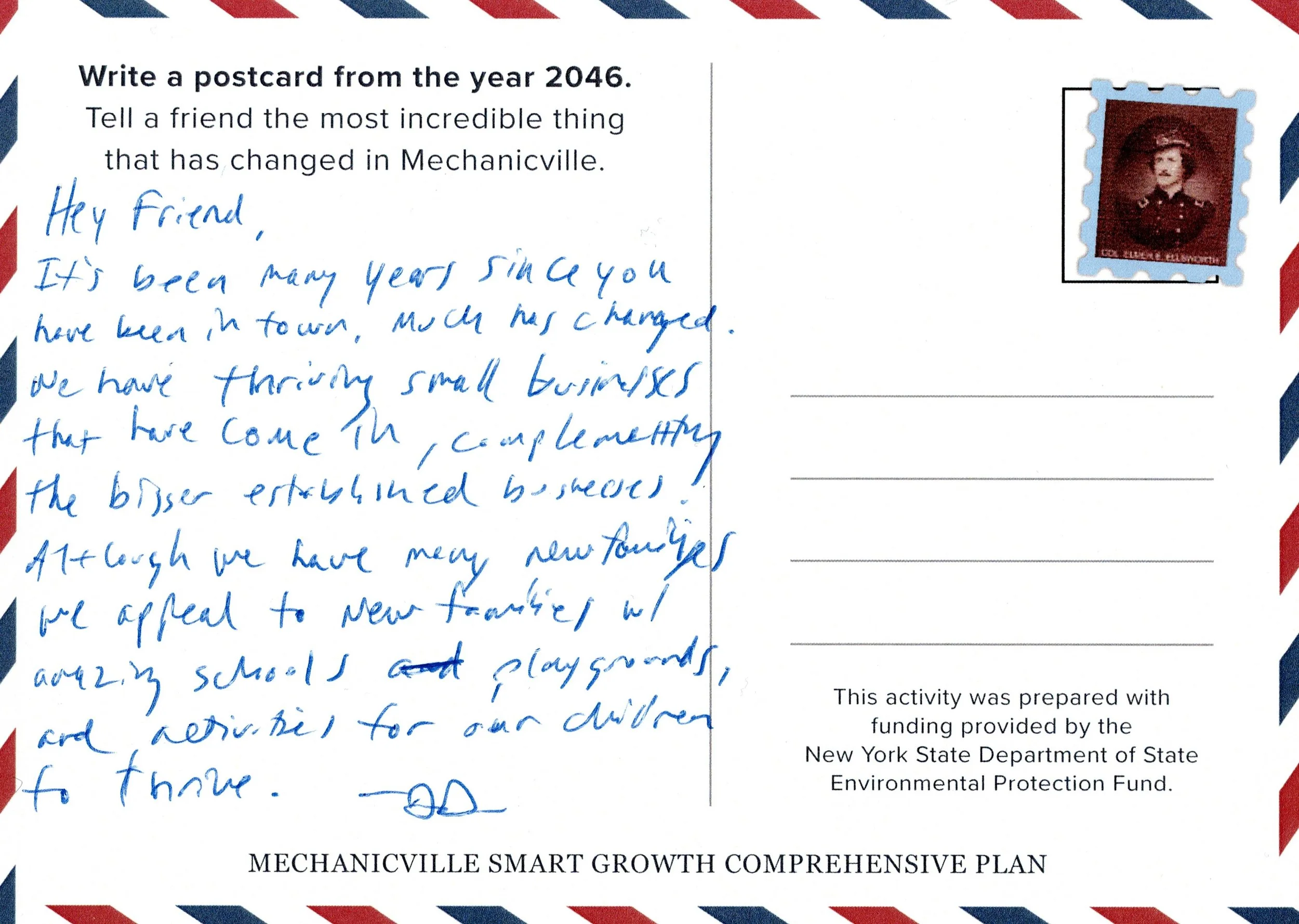
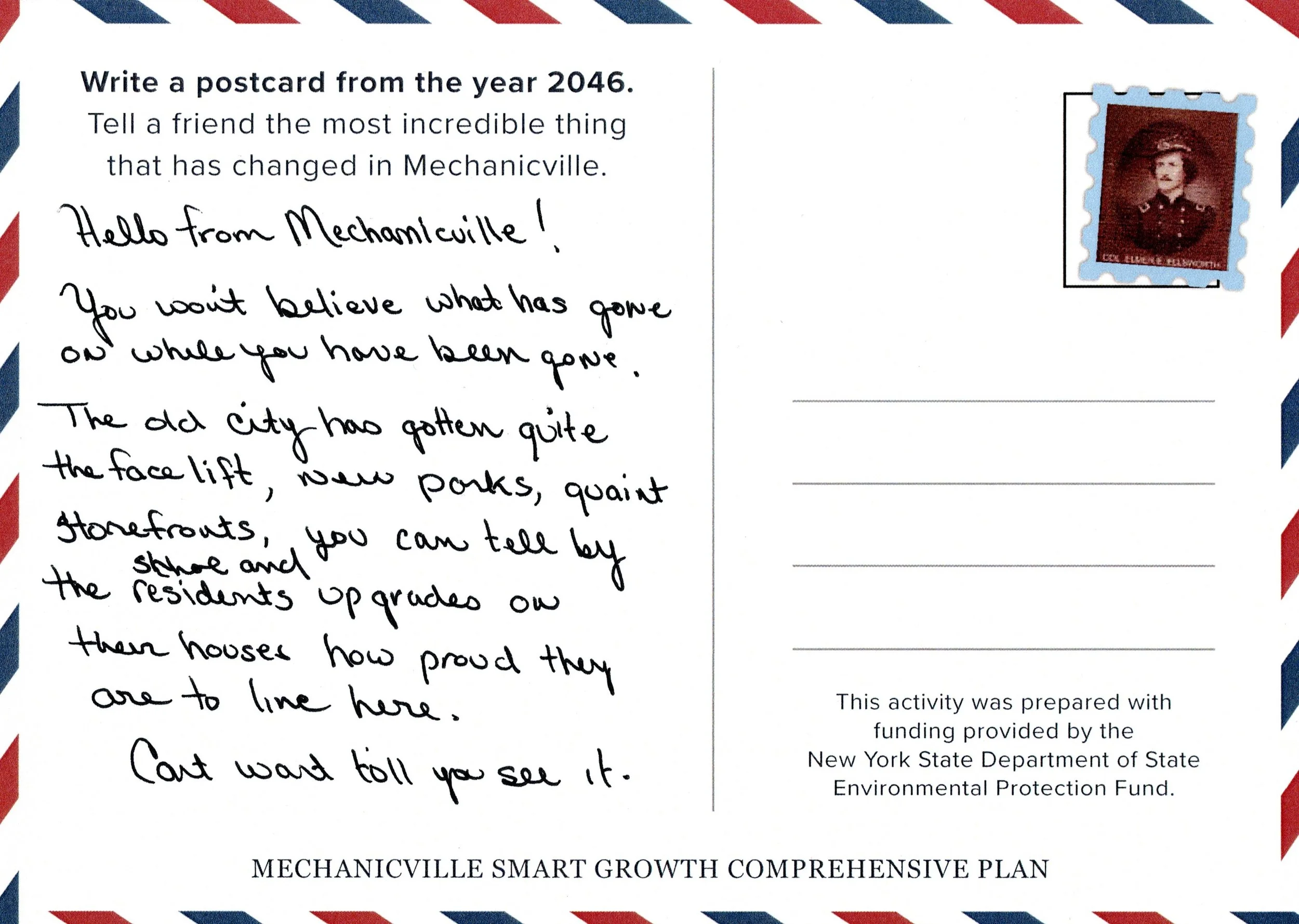
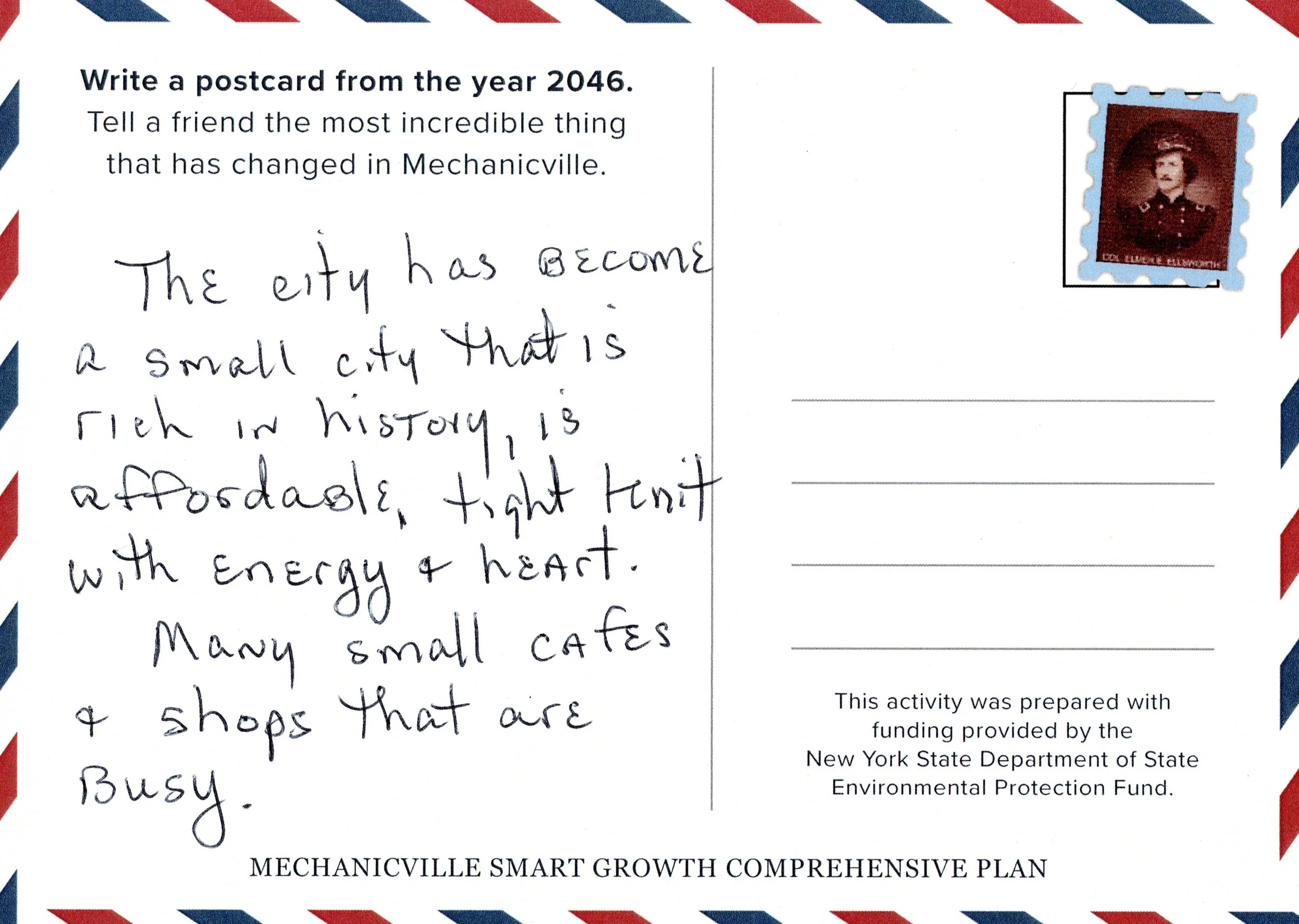
Sample postcards completed by the Comprehensive Plan Committee (CPC) at Committee Meeting #1.